Wastewater Backing Up into Your Basement — Causes & Solutions
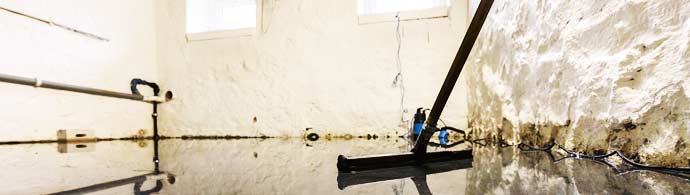
Having to deal with wastewater backing up into your basement shower or toilet is not only unpleasant — it's a serious plumbing emergency. Wastewater contains contaminants that pose health risks, and the water damage can compromise your foundation and belongings.
Understanding Wastewater Backups
Wastewater is the water that exits your home through the plumbing system: sinks, showers, toilets, and appliances. It flows through sewer pipes to the municipal system or a septic tank. When this process is interrupted, wastewater can flow back into lower-level fixtures like basement showers or toilets, creating hazardous conditions.
Common causes of wastewater backups
-
1. Clogged sewer lines
The #1 cause. Hair, food particles, grease, and non-flushable items accumulate over time and obstruct the main sewer line.
-
2. Tree root intrusion
In older homes, tree roots penetrate clay or cast-iron pipes through tiny cracks. Once inside, they grow rapidly and block the flow.
-
3. Heavy rain or flooding
Heavy rainfall overloads municipal sewers, causing wastewater to back up into homes — especially in areas with combined stormwater and sewage systems.
-
4. Damaged or collapsed pipes
Aging, corroded, or cracked pipes restrict flow and can collapse, forcing wastewater back into lower-level fixtures.
-
5. Faulty backwater valve
A backwater valve prevents wastewater from flowing back into your home during sewer overloads. If damaged, stuck open, or missing entirely, it cannot protect your basement.
-
6. Improper plumbing installation
Poorly installed plumbing with incorrect pipe angles or inadequate drainage can cause wastewater to flow in the wrong direction.
Effective Solutions to Prevent and Fix Wastewater Backups
- 1. Clear clogged drains — A plunger or drain snake may help with minor clogs. Avoid chemical drain cleaners which damage pipes over time.
- 2. Schedule professional drain cleaning — For major blockages, hydro-jetting removes grease, tree roots, and debris while restoring pipes to near-original condition.
- 3. Inspect for tree roots — A camera inspection identifies root intrusion. Hydro-jetting cuts the roots; severe cases may require pipe replacement.
- 4. Install or maintain a backwater valve — The single most effective prevention device. Regular inspection ensures it functions during heavy rain.
- 5. Repair damaged pipes — Cracked or collapsed pipes require professional repair or replacement.
- 6. Preventive measures — Never flush non-biodegradable items, grease, or food scraps. Schedule annual plumbing inspections.
For expert help, visit our Clogged Drain Services page.
How to Prevent Future Wastewater Backups
- Regular maintenance — annual drain cleaning and camera inspection
- Install a sump pump and backwater valve — critical devices that prevent backup
- Monitor landscaping — keep trees and large shrubs away from sewer lines
- Upgrade aging pipes — replace corroded or damaged pipes before they fail
Why Drain 5 Étoiles
Addressing wastewater backup is our specialty. We provide long-term solutions, not quick fixes. Using advanced equipment and proven methods, our experienced technicians restore your plumbing system and keep your home safe. Whether it's a clogged sewer, broken pipe, or root intrusion — we handle it.
Get a quote 514-316-1043